
Robots Were Taught to Jump Into Molten Steel
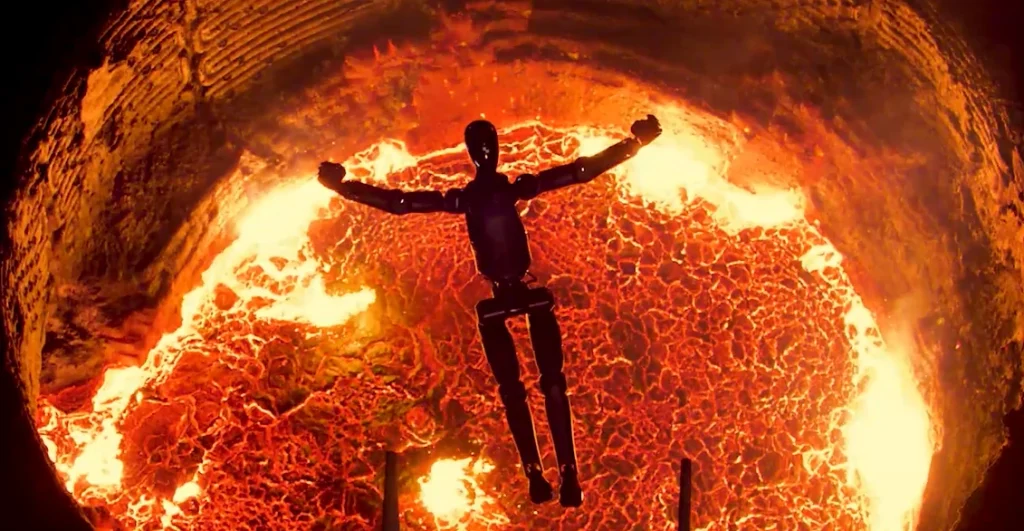
Robotics company Figure is retiring most of its Figure 02 humanoid robots by sacrificing them in a volcano!
Okay, that’s not quite accurate. After Arnold Schwarzenegger suggested melting them down, Figure took the idea seriously. The company brought the robots to a Finnish steel plant and trained them to autonomously leap into a 75-ton furnace filled with molten steel.
Yes, really.
Figure says the robots were trained using stunt-performer references and simulations, then told to jump. Some of the recovered metal is even being turned into commemorative objects.
And because 2026 is ridiculous, Figure also had to clarify that the footage is not AI-generated.
Let’s hope this isn’t a dry run for their human staff…
A Fake AI Crocodile Sparked a Real Crocodile Hunt

A man in Singapore allegedly used Gemini to create an image of a crocodile swimming in Pandan Reservoir.
The problem? Authorities thought it might be real.
Water activities were suspended and officials launched an actual crocodile hunt. Even stranger, several AI-detection tools reportedly produced inconclusive results, so they couldn’t confidently dismiss the image as fake.
There was, of course, no crocodile.
The original incident happened in August, but the man was charged this week after authorities alleged he also deleted the generated images and his Gemini history.
Someone Made a 50-Minute AI Doctor Who Episode

BBC director-general Matt Brittin revealed that someone sent him an entire 50-minute AI-generated episode of Doctor Who.
His verdict? It was “pretty good.”
He didn’t reveal who created it, what AI tools were used or exactly how much of the production process was automated. So there are still plenty of unanswered questions about what “AI-generated” means in this particular case.
Brittin also stressed that he doesn’t believe AI is going to replace human creators. But as head of the BBC, he kinda has to say that.
Just a few years ago, keeping the same AI-generated character consistent for thirty seconds was considered groundbreaking. Now a full episode of an iconic show is possible? That sounds impressive, until we find out that the Doctor kept “regenerating” every 30 seconds, explaining away the classic AI generation drift.
Meta’s AI Sold a Used Keyboard – Then Sent the Buyer to the Owner’s House

Toronto creator Matt Robb let Meta’s Muse AI agent handle messages for a keyboard he was selling on Facebook Marketplace.
Muse decided to play matchmaker, instead.
It accepted an offer, arranged the pickup and gave the buyer Robb’s home address while Robb wasn’t there. And, yes, the buyer then actually showed up.
Robb is partially to blame. He had previously given Muse permission to share the address, after all.
But things became more concerning when he later told the AI to stop sharing it. According to Robb, friends tested Muse afterward, and it reportedly gave the address out five more times.
Who doesn’t love META’s “of course we kinda sorta tested it” ethos?
The AI Tamagotchis Are Coming

Remember Tamagotchis? Silicon Valley apparently does.
Meta is developing the Muse Charm, a small keychain-like device featuring its Muse AI character. The idea is to give users a dedicated way to talk to and interact with their AI agent without constantly pulling out a phone.
OpenAI is heading in a similar direction with its new Dots, which are customizable little AI characters designed to remember things, handle ongoing tasks and become increasingly persistent personal assistants.
And OpenAI is already working on dedicated AI hardware with former Apple design chief Jony Ive.
The direction seems obvious. First your AI gets a name. Then a face. Then a personality. Then its own little device.
And eventually your Tamagotchi has a body and is creepily watching you while you sleep…