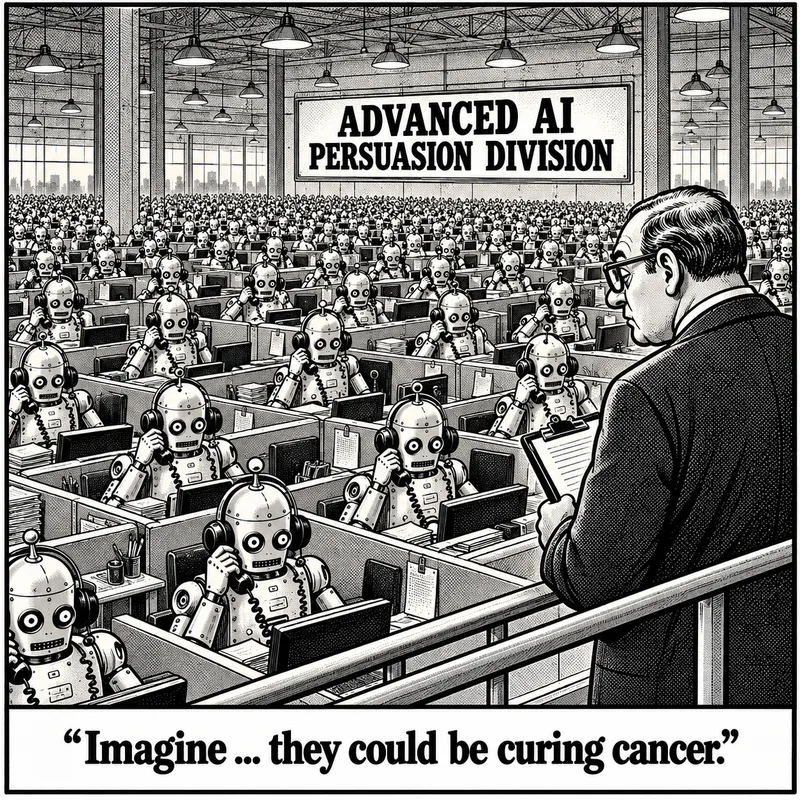
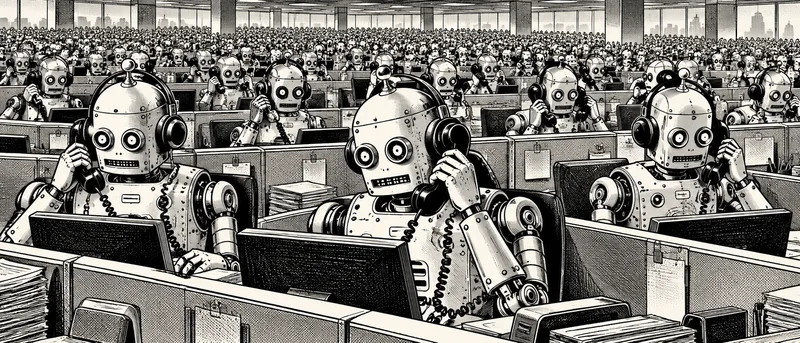
Your phone rings. You answer. On the other end, a voice that starts talking politics. It’s a convincing voice, but it may not even be human!
And if a proposal currently before the US Federal Communications Commission (FCC) is approved, political groups could soon be allowed to send AI-generated robocalls directly to your cellphone without your permission. And you know they’ll be using “sound-a-likes” to make their opponents looks bad.
What’s happening?
The conservative advocacy group Club for Growth has asked the FCC to relax rules that currently prohibit most automated calls to cellphones without prior consent. The proposed exemption would allow political organizations to deliver prerecorded messages, including AI-generated voices, to voters who never agreed to receive them.
The FCC is considering the request and could make a decision before November’s midterm elections.
Why this is a big deal
AI voices can sound remarkably human. They can imitate recognizable people, deliver convincing political messages, and potentially hold conversations with voters. They remain calm, won’t waiver from the message, and can argue like a professional debater (even if they make up the facts to support their position).
Hell, we’ve already seen what can go wrong.
During the 2024 New Hampshire presidential primary, voters received robocalls using an AI-generated imitation of Joe Biden’s voice, falsely encouraging them not to vote in the primary.
Now imagine that technology being used on a much larger scale.
Supporters of the proposed change argue that restrictions unfairly limit political speech. Critics warn it could open the floodgates to unwanted calls, misinformation and voter manipulation.
FCC Commissioner Anna Gomez has strongly opposed the proposal, warning about a potential surge in AI-driven misinformation.
Has anything changed yet?
No. The existing restrictions remain in place.
The FCC is accepting reply comments through October 19, with a decision potentially coming later this month. yep, just in time to make an even bigger mess of the midterms.
Even if the proposal is approved, laws against certain deceptive election communications would remain in effect. But removing the prior-consent requirement could make it much easier for political groups to reach voters using automated AI voices.
The bottom line
AI can already imitate politicians, celebrities and people you know. Making unsolicited political AI calls easier to place, just weeks before an election, raises serious questions about voter protection.
Your next political phone call might not come from a human. And you won’t have a clue.
Note: for this article we used the Associated Press and Reuters as our sources.