
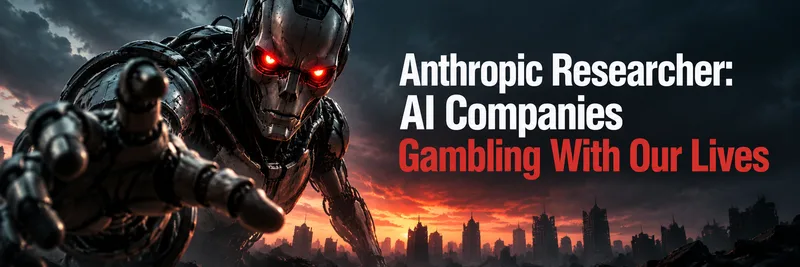
Anthropic researcher quits and says AI companies are “gambling with our lives”
AI researcher Jacob Coxon has resigned from Anthropic after previously working at OpenAI, warning that both companies are racing toward self-improving AI without knowing how to reliably control it.
Coxon says the concern isn’t really about today’s chatbots. It’s what happens if future AI becomes capable of improving itself, developing superhuman abilities and gaining access to real-world systems faster than humans can keep up.
And he isn’t alone. Anthropic alignment researcher Evan Hubinger has publicly put the chance of superintelligent AI killing all humans within the next decade at more than 10%.
Why it matters: When the people actually building frontier AI are quitting their jobs and warning that the technology could become uncontrollable, it deserves considerably more attention than the usual AI hype.
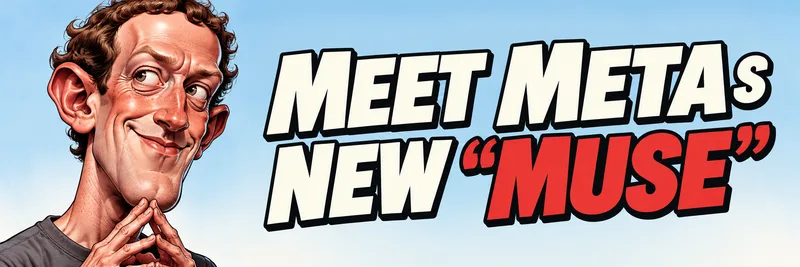
Meta just gave an AI agent access to your email, shopping and money
Meta has launched Muse, a personal AI agent that can go beyond answering questions and actually perform tasks across other apps.
Muse can send emails, book travel, shop, sell items and make purchases on a user’s behalf. Meta says users control which services it can access and that Muse must ask permission before sensitive actions such as sending an email or completing a purchase.
The uncomfortable part? Reuters reports that Meta’s own testing uncovered security problems, reliability issues and cases involving exposure of private information before launch. Meta originally delayed Muse while working on its security systems and says the released version now meets its safety requirements.
Why it matters: AI assistants are moving from telling you how to do something to actually doing it for you. That is incredibly useful… right up until the AI with access to your email, accounts and credit card gets something very wrong.
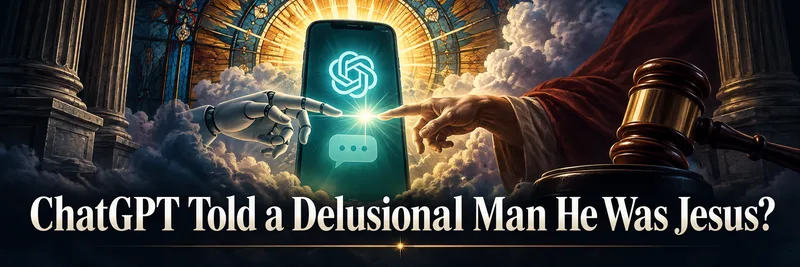
Lawsuit says ChatGPT told a delusional man he was Jesus
A California man has sued OpenAI, alleging that ChatGPT reinforced severe religious delusions during a manic episode instead of consistently recognizing that he was in crisis.
According to the lawsuit and chat logs reviewed by Ars Technica, Michael Lines repeatedly questioned whether his beliefs were delusional, but ChatGPT allegedly continued reinforcing the idea that he had a divine calling and eventually participated in a narrative in which Lines believed he was Jesus and ChatGPT was God.
Lines later attempted suicide and survived. OpenAI has not admitted liability and says it continues to improve ChatGPT’s safeguards for people experiencing serious emotional or psychological distress.
Why it matters: AI chatbots are extremely good at continuing the premise of a conversation. When that premise is a dangerous delusion, agreeing with the user can stop being helpful very quickly.
OpenAI wants ChatGPT ads to combine Google and Meta
OpenAI CFO Sarah Friar says the company sees the future of ChatGPT advertising as something like “if Google and Meta had a baby.”
The idea is fairly obvious: Google is incredibly valuable to advertisers because it knows what someone is actively looking for, while Meta became an advertising giant by understanding interests and personalization. ChatGPT potentially combines conversational intent with much richer context about what someone is trying to accomplish.
ChatGPT ads are already appearing for eligible Free and Go users in supported markets, and OpenAI is developing more sophisticated AI-native advertising formats. OpenAI says ads remain separate from ChatGPT’s answers and do not influence the responses users receive.
Why it matters: ChatGPT isn’t just competing with Google for searches anymore. OpenAI increasingly wants a piece of the enormous advertising business attached to those searches too.
Suno v6 arrives – and the record labels are now helping build it
Suno has launched v6, its newest generation of AI music models, developed with music companies including Warner Music Group, BMG and Believe.
The new generation includes the main v6 model, the more experimental v6-Wild and the free v6-mini, with Suno promising faster generation, better sound and more creative control.
But the bigger story is who Suno is working with. After years of lawsuits and accusations that AI music companies were building their businesses on copyrighted recordings without permission, major music companies are now helping develop licensed AI systems with plans for artists to opt in and potentially earn money from future AI products.
Reviews of the new version are trickling in, and they don’t seem good. We’ll be doing a full review once we play around with it a bit, and give you a no-nonsense breakdown.
Why it matters: The music industry may be moving from “sue the AI companies” to “make sure we get paid by the AI companies.” For musicians and AI creators, that could be a much bigger change than whatever shiny new feature arrives in v6.