“Free AI tool” can mean pretty much anything from genuinely useful without paying to “congratulations, you get two personal-use only generations before they ask for your credit card.
So we checked.
These eight Google AI tools can all be accessed without paying… but the important question is how useful the free version actually is.
Here’s what you get…
Starting October 9, free Gemini users will lose access to some of Google’s more powerful AI models. Gemini will still be free to use, but the free version is becoming more limited.
See exactly what’s changing with free Gemini →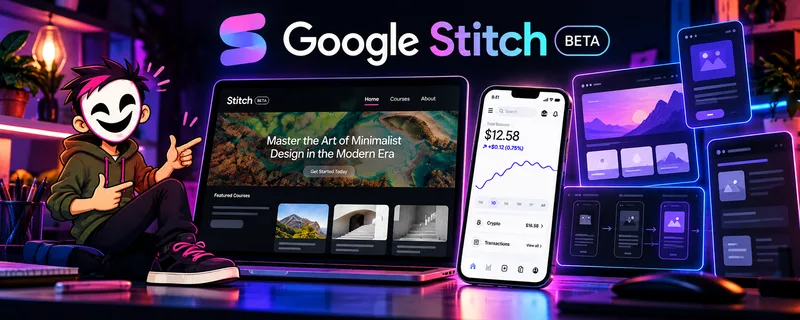
1. Google Stitch
Google Stitch uses AI to create interfaces for websites, apps and dashboards from natural-language instructions.
You can refine those designs, create interactive prototypes and move them toward actual development.
FREE VERDICT: 🟢 REAL FREE TIER
There’s enough free access here to create and prototype real designs. Usage limits exist, but this isn’t merely a demo.
Good for: UI design, app concepts and rapid prototyping.
2. Google Pomelli
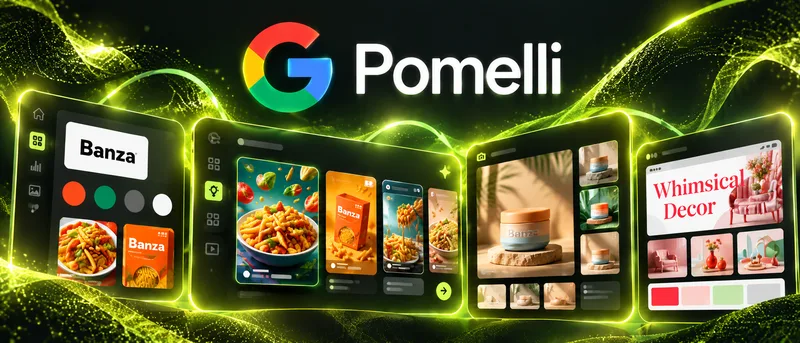
– AI Marketing Built Around Your Brand
Give Pomelli your website and it analyzes your business to create what Google calls a Business DNA.
It can use that information to develop campaign ideas and create branded images, videos and other marketing material.
Google currently says Pomelli can be used at no charge, with users able to create several hundred image and video generations.
FREE VERDICT: 🟢 REAL FREE TIER
Several hundred generations gives you enough room to actually use the thing rather than just admire it.
Good for: Creators, small businesses and marketing.

3. Google Flow Music
Flow Music lets you describe the music you want using natural language and generate it using Google’s AI music technology.
Google currently says its core features are available at no charge, while paid plans provide additional generations, credits and access to newer models.
FREE VERDICT: 🟡 GREAT FOR TRYING
You can create actual music without paying. If it becomes part of your regular workflow, the paid limits start becoming more relevant.
Good for: Music, video soundtracks and creative experimentation.
4. Google AI Studio
Google AI Studio is where things get considerably more interesting if you want to go beyond simply chatting with Gemini.
You can experiment with Google’s AI models, work with text, images, audio and multimodal inputs, test prompts and prototype AI-powered applications.
Google provides a genuine free tier, although individual models have usage and rate limits. Daily model limits also apply in the AI Studio playground, while sustained or heavier API use may require billing.
FREE VERDICT: 🟢 REAL FREE TIER
There’s enough available for free to experiment, learn and build useful things.
Good for: AI experimentation, app development and anyone who likes tinkering with what’s under the hood.
5. Google Antigravity
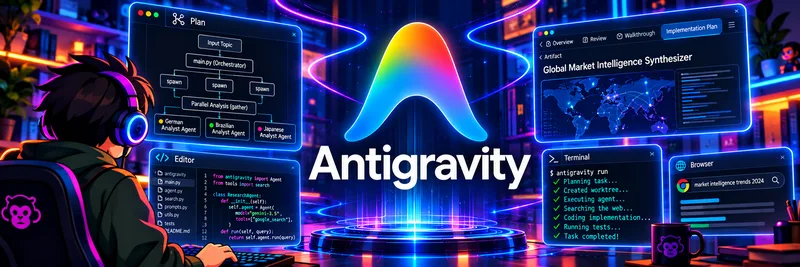
Antigravity is Google’s AI development environment, with agents capable of working across your editor, terminal and browser.
Instead of simply suggesting the next line of code, it can tackle larger development tasks involving planning, coding, testing and verification.
Google currently offers an individual $0/month plan, subject to weekly rate limits.
FREE VERDICT: 🟢 REAL FREE TIER
A $0 individual development plan with enough capacity to build things qualifies as properly free in our book.
Good for: Coding, apps, vibe coding and development automation.
Worth noting: Google’s October 9 restrictions apply to the consumer Gemini app. Antigravity’s current free plan still lists access to Gemini Pro and several Flash models, but this may change.
6. Google Opal
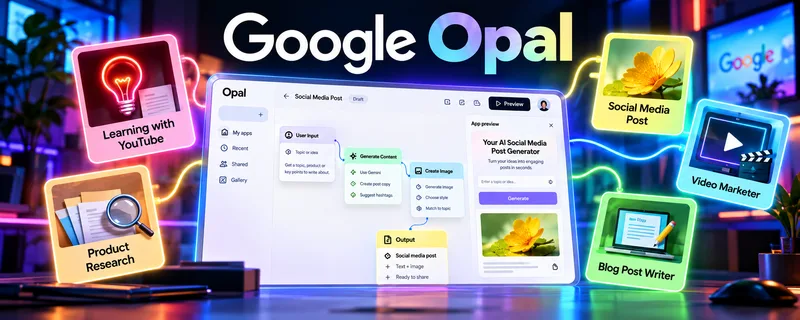
Opal lets you describe an AI-powered mini-app or workflow and build it without approaching the project like a traditional software developer.
That makes it particularly interesting for people who have useful ideas but don’t necessarily want to learn a programming language first.
FREE VERDICT: 🟢 REAL FREE TIER
Opal is currently available through Google Labs without requiring a paid subscription. It is experimental, so Google can change its availability and limits.
Good for: AI workflows, mini-apps and prototypes.
7. Google Gemini
Yes, Gemini still belongs on the list, but its free tier is about to become considerably more limited.
Google’s main AI assistant can research, write, brainstorm, analyze files and images, help with code and handle a long list of everyday AI tasks without requiring a paid Google AI plan.
But beginning October 9, 2026, free users will be limited to Flash-Lite. Access to the more capable Flash and Pro models will move behind paid Google AI plans.
FREE VERDICT: 🟡 USEFUL, BUT NOW LIMITED
Flash-Lite should still be perfectly usable for everyday questions, summaries, brainstorming and lighter writing tasks. But anyone who has been relying on Gemini’s stronger models for difficult reasoning, coding or more demanding work is getting a genuine downgrade.
Good for: Everyday AI, writing, summaries and brainstorming.
8. Gemini Notebook
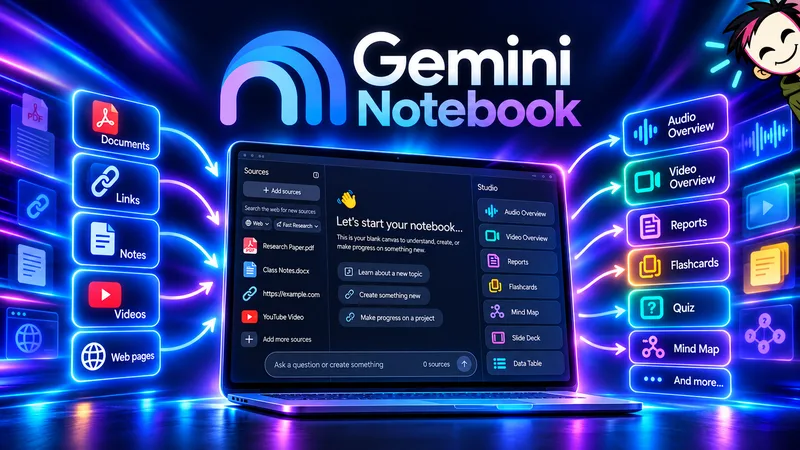
Gemini Notebook – formerly NotebookLM – works differently from a general chatbot.
Give it your documents, links and other sources and it can answer questions grounded in that material. It can also transform your sources into Audio Overviews, Video Overviews, reports, flashcards, quizzes, mind maps and more.
The free version supports up to 50 sources per notebook. Google now uses compute-based usage limits rather than a simple fixed number of daily chats. Your usage depends on things such as prompt complexity, chat length, the number of sources and the features you use, with limits refreshing every five hours until you reach the weekly allowance.
FREE VERDICT: 🔵 FREE IS PROBABLY ENOUGH
For many everyday research and study tasks, the free version remains substantial enough to do real work without paying.
Good for: Research, studying, document analysis and content research.
So, How Free Is “Free”?
All eight tools can give you useful AI capabilities without immediately reaching for a credit card, but their free tiers aren’t equal.
Stitch, Pomelli, AI Studio, Antigravity and Opal provide enough free access to do meaningful work, as long as you are not a heavy user.
Gemini Notebook still has a substantial free offering for research and studying. Gemini itself remains free, but from October 9 its free tier becomes significantly more basic, with free users limited to Flash-Lite.
Flow Music is the one we’d treat more as an excellent free way to try the technology before deciding whether it’s worth paying for heavier use.
And that’s how we’ll treat “free” around here: not whether a company lets you click the button for free, but whether you can actually get something useful done before the paywall arrives.
Free tiers and usage limits were rechecked October 7, 2026 and can change.